
Fabrication projects never go perfectly. One missing fitting or a delayed pallet of stainless pipe can stall assemblies, push testing, and force crews to reshuffle work. This blog is for fabrication project managers building modular, skid-based, or hybrid packages who want fewer shipping surprises. It explains why missing parts and delivery delays happen, what to do early to prevent them, and simple best practices like confirming real stock, planning shipping windows around build milestones, and using clear packing lists and line-item checks so projects stay on schedule from the shop floor to the jobsite.
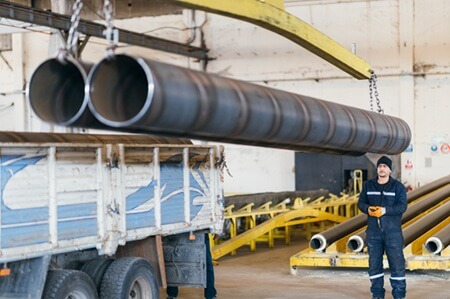
For fabrication project managers overseeing modular, skid-based, or hybrid systems, shipping issues rarely stay contained. A delayed pallet of stainless pipe or a missing fitting doesn’t just slow delivery. It can stall fabrication, push factory testing, and throw off carefully planned site schedules. When one component is late or incomplete, entire assemblies sit idle and crews are forced to reshuffle work.
That’s why logistics matter as much as material selection. Continue reading as we look at how fabrication teams can minimize shipping delays stainless pipe orders often face and avoid missing parts in industrial piping shipments that disrupt progress. You’ll discover practical steps, checklists, and best practices that help protect schedules, control costs, and keep projects moving from the shop floor to the jobsite without costly surprises.
What Logistics Challenges Do Industrial Piping Suppliers Face?
Industrial piping suppliers operate within a complex logistics environment where accuracy and timing matter just as much as availability. Orders often include dozens or even hundreds of line items, each with its own lead time, source, and handling requirements. When those timelines don’t align, delays can quickly surface.
Common challenges in shipping logistics industrial piping supply include:
- Multi-line orders with mixed lead times, where one delayed item holds up the entire shipment
- Vendor backorders or partial availability that require split shipments or resequencing
- Freight coordination for oversized pipe, palletized fittings, or skid-ready materials
Suppliers also manage structural constraints that affect delivery performance:
- Inventory vs. order-only distribution models, which determine how quickly materials can ship
- Packaging and labeling complexity, especially when parts must arrive staged or in build sequence
- Carrier variability and transit risks, including weather delays or limited freight capacity
This is why working with a fast dispatch piping distributor that U.S.A. teams trust can make a difference. Faster response starts with inventory depth, clear logistics planning, and the ability to coordinate shipments without introducing confusion or missed components.
How Can You Minimize Shipping Delays for Stainless Pipe and Piping Components?
From a project manager’s perspective, shipping delays are rarely solved by moving faster at the last minute. They’re reduced through coordination early in the process, before fabrication schedules and delivery windows are locked in.
When logistics planning happens alongside production planning, teams are better positioned to minimize shipping delays stainless pipe orders are prone to.
A few proactive steps make a meaningful difference:
- Confirm stock availability, not just quoted lead times, especially for stainless pipe, fittings, and specialty components
- Lock shipping windows early so deliveries align with fabrication, testing, and outbound site schedules
- Align purchase orders with fabrication milestones, ensuring materials arrive when crews are ready to use them
- Prioritize complete-kit shipments whenever possible to avoid partial deliveries that stall assembly
The goal isn’t speed for speed’s sake. It’s consistency. Coordinated shipping reduces idle time, limits rescheduling, and keeps fabrication flowing without interruption.
When materials arrive complete, clearly documented, and on time, project managers spend less time chasing parts and more time keeping projects on track.
What Causes Missing Parts in Industrial Piping Shipments and How Can You Prevent It?
Missing parts are one of the most frustrating and costly issues fabrication teams face. In most cases, the problem isn’t that materials weren’t shipped. It’s that information, documentation, or verification broke down along the way. When projects depend on complete assemblies, even one missing fitting can bring work to a halt.
Common causes include:
- Split shipments without clear documentation, leaving teams unsure what’s arriving and what’s still pending
- Similar part numbers or sizes are packed together, increasing the chance of miscounts or mix-ups
- Last-minute substitutions were not communicated clearly, causing confusion at receiving or during assembly
To consistently avoid missing parts in industrial piping shipments, project managers can apply a simple prevention checklist:
- Require detailed packing lists that tie directly to purchase orders and line items
- Use line-item verification before shipment, confirming quantities against the order
- Confirm part counts before freight leaves the dock, not after it arrives on site
- Stage critical components separately so they’re easy to identify and protect from loss
These steps don’t add extra steps. They add visibility. With clear documentation and verification in place, teams spend less time tracking down parts and more time keeping fabrication and delivery on schedule.
What Should Project Managers Expect from a Reliable Piping Distributor?
When schedules are tight and builds are complex, a piping distributor should function as a logistics partner, not just a source for materials. Project managers need support that goes beyond taking orders, especially when timelines shift or constraints emerge mid-project.
A reliable distributor brings consistency under pressure:
- Order accuracy, even when deadlines compress or changes occur late
- Clear, proactive communication when lead times, availability, or freight conditions change
- Strategic staging, labeling, or split shipments that align with fabrication and delivery sequencing
At a minimum, project managers should expect:
- Real-time order visibility, so there are no surprises at shipping or receiving
- Accurate documentation that matches what arrives on the dock
- Flexible shipping options that adapt to phased builds or site constraints
- Accountability when issues occur, with problems addressed quickly and transparently
This is where experienced distributors stand apart. Teams like American Stainless & Supply are built around inventory depth, coordinated logistics, and responsive service, helping fabrication projects stay organized, predictable, and on schedule without adding unnecessary friction.
What Does On-Time Delivery Best Practice Look Like?
In modular and skid-based fabrication, on-time delivery isn’t just about hitting a ship date. It’s about materials arriving in the right sequence, in the right condition, and ready to be installed without extra handling. That’s where strong logistics planning makes a measurable difference.
Effective industrial piping on-time delivery best practices often include:
- Kitted shipments for skids or modules, where all required pipe, fittings, and components arrive together so fabrication can move straight through assembly and testing
- Phased deliveries aligned to the build sequence, ensuring materials show up when crews are ready for them, not weeks early or days late
- Reduced re-handling and site-side sorting, which lowers the risk of damage, misplaced parts, and lost time
When deliveries are organized around how work actually happens on the floor, fabrication teams spend less time staging and searching and more time building. The result is a smoother process with fewer interruptions and greater confidence that modules will ship complete and on schedule.
How to Minimize Shipping Delays Recap
How can I ensure shipments arrive on time from a piping supplier?
On-time delivery starts with confirming stock availability early, aligning shipping windows with fabrication milestones, and working with a distributor that offers clear communication and coordinated logistics.
What logistics challenges do industrial piping suppliers face?
Suppliers manage multi-line orders with mixed lead times, vendor backorders, oversized freight coordination, and carrier variability, all of which can affect shipping timelines if not planned carefully.
What steps can I take to prevent missing parts on site?
Requiring detailed packing lists, verifying line items before shipment, confirming part counts at the dock, and staging critical components separately all help avoid missing parts in industrial piping shipments.
Why do shipping delays hit fabrication projects harder than other jobs?
Fabrication relies on complete assemblies. A single delayed pipe or fitting can stall skid builds, factory testing, and downstream site installation.
What should I expect from a reliable piping distributor?
Project managers should expect accurate orders, real-time visibility, flexible shipping options, and accountability when issues arise, not just fast quotes.
How do industrial piping on-time delivery best practices support modular work?
Practices like kitted shipments and phased deliveries aligned to build sequence reduce re-handling, limit downtime, and keep modular fabrication moving smoothly.
Shipping Control Is a Competitive Advantage, Not a Nice-to-Have
Shipping issues aren’t random. In fabrication-heavy projects, they tend to follow familiar patterns tied to timing, communication, and coordination. The teams that stay on schedule aren’t the ones who never face delays. They’re the ones who prepare for them.
Control comes from planning shipments alongside production, maintaining clear communication, and working with distributors who understand how fabrication actually works. When logistics are predictable, project managers can protect margins, avoid rework, and deliver complete systems without scrambling at the last minute.
That’s where the right partner matters. American Stainless & Supply supports fabrication teams with inventory depth, coordinated shipping, and responsive service that keeps materials moving when timelines are tight.
Connect with the American Stainless team to build a shipping strategy that delivers confidence from the shop floor to the jobsite.