
Mechanical contracting projects never go perfectly. Design changes, jobsite surprises, inspections, and backorders can quickly throw off schedules and crew flow. This blog is for mechanical contracting project managers who want a simple way to stay ready when plans change. It shows where risk usually shows up, what to do before problems hit, and a practical checklist you can use to protect timelines, control costs, and keep work moving.
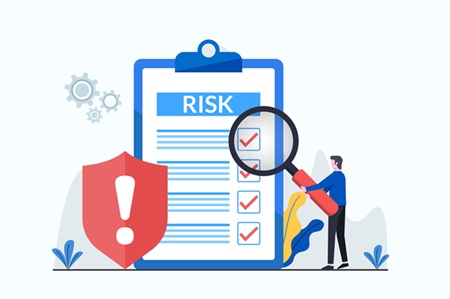 In mechanical contracting, even the best-planned projects face surprises. A late design revision, an unforeseen site condition, a delayed shipment, or a scope change can quickly disrupt carefully built schedules. For project managers balancing labor, materials, and client expectations, these moments are where risk shows up fast.
That’s why managing change can’t be reactive. It requires a mechanical contracting risk management checklist that anticipates disruption before it happens. Preparation, clear communication, and alignment with reliable suppliers often determine whether a project recovers smoothly or slips into costly delays.
Continue reading as we break down the most common sources of unexpected change and outline a practical, step-by-step checklist you can use to protect timelines, control costs, and keep customer operations running when conditions shift.
What Are the Most Common Unexpected Changes in Mechanical Contracting Projects?
Unexpected changes in mechanical contracting usually don’t come from one big failure. They show up through a series of small disruptions that compound on the jobsite. Understanding where these changes start is the first step in lessening their impact.
Common sources of disruption include:
- Design changes after fabrication or material ordering, forcing rework or rushed replacements
- Field conditions that don’t match drawings or BIM models, requiring layout adjustments
- Material backorders or last-minute spec substitutions that delay installation
- Inspection findings or code-driven revisions that trigger system modifications
- Schedule compression from upstream trades, leaving less time for mechanical installs
These situations affect far more than just the immediate task at hand:
- Labor sequencing gets disrupted as crews wait or shift scope
- Material availability becomes unpredictable
- Installation timelines tighten or slide
- Customer confidence erodes when schedules change
How contractors deal with unexpected project changes often comes down to preparation. Teams that anticipate these disruptions can respond faster, limit downtime, and keep projects moving with fewer surprises.
Why Do Supply Chain Disruptions Hit Mechanical Contractors Especially Hard?
Supply chain issues tend to hit mechanical contractors harder than most trades because so much of the work depends on materials arriving at exactly the right time. When one piece slips, everything starts to unravel.
Pipe, valves, fittings, and specialty components often come with long lead times, especially for stainless steel, specialty alloys, or code-specific products. Fabrication schedules, delivery windows, and install crews are tightly linked, so delays rarely stay isolated.
Several factors make these disruptions a challenge:
- Mechanical systems rely on complete assemblies, not partial installs
- Fabrication can’t move forward if even one specified component is missing
- Code, pressure rating, or material requirements often limit substitution options
When mechanical contractor supply chain disruptions occur, the impact multiplies:
- One missing fitting can stall multiple crews across different scopes
- Labor sits idle while schedules are reshuffled
- Reactive sourcing introduces higher costs, rushed decisions, and added risk
Mitigating delays in mechanical contracting projects requires more than finding parts faster. It means planning for disruption, building supplier flexibility, and reducing the chances that a single missing component brings the entire jobsite to a standstill.
How Should Contractors Prepare Their Supply Chain for Disruptions?
Unexpected changes are easier to manage when the supply chain is prepared before problems show up on the jobsite. That’s where jobsite piping supply contingency planning becomes a practical tool, not an extra layer of complexity.
The goal isn’t to plan for every possible scenario. It’s to remove the most common points of failure so teams can respond quickly when conditions shift.
Taking a few preventative steps can make a real difference:
- Pre-approve alternate materials or manufacturers that meet spec and code requirements, so substitutions don’t stall progress
- Identify critical-path components early, especially items that affect fabrication or tie-ins
- Confirm stock availability, not just pricing, before finalizing material decisions
- Align delivery windows with install sequencing to avoid materials arriving too early or too late
- Establish escalation contacts with suppliers for fast answers when schedules or specs change
This kind of preparation keeps decisions calm and controlled when pressure hits. Instead of scrambling for last-minute fixes, contractors stay focused on keeping crews productive, schedules intact, and customers confident when the unexpected happens.
What Does a Mechanical Contracting Risk Management Checklist Look Like in Practice?
A mechanical contracting risk management checklist works best when it’s simple, repeatable, and built into how projects actually run. It’s not a binder that lives on a shelf. It’s a shared playbook that helps teams make faster, better decisions when conditions change.
Here’s what that checklist looks like in the real world:
Before the Project Starts
- Supplier capability review to confirm experience with similar systems, materials, and delivery timelines
- Lead-time confirmation on critical pipe, valves, fittings, and specialty components before schedules are locked
- Backup material options identified and approved in advance to avoid last-minute scrambling
During Execution
- Weekly material status checks tied directly to the install schedule, not just purchase orders
- Early warning signs of disruption, such as supplier backlogs, shipping delays, or spec clarifications
- Clear communication cadence with suppliers so updates don’t wait until problems surface
When a Change Happens
- Rapid re-quote or substitution process to evaluate options without derailing the schedule
- Partial shipment or phased delivery options to keep crews working while the rest of the order catches up
- Direct field-to-supplier communication to resolve issues in real time
Used consistently, this mechanical contracting risk management checklist turns uncertainty into manageable decisions and helps projects stay on track even when plans shift.
What Role Does the Piping Supplier Play When Things Change at the Jobsite?
When plans change on the jobsite, the piping supplier can either slow things down or help keep the project moving. In those moments, suppliers stop being order-takers and start being problem solvers.
Spec changes, field conflicts, or schedule shifts demand fast, accurate responses. A supplier with real inventory on hand can pivot quickly, while an order-only distributor often adds days or weeks to the problem. Accuracy matters just as much. Under pressure, the wrong fitting or missed detail creates more rework instead of relief.
The right supplier also brings options to the table:
- Access to stocked pipe, valves, and fittings instead of relying solely on factory lead times
- The ability to source approved alternatives without restarting the submittal process
- Experience navigating code, material, and application requirements when substitutions are needed
Project managers should expect a supplier to deliver more than parts:
- Clear communication when conditions change
- Realistic timelines that crews can plan around
- Flexibility during schedule shifts and phased installs
- Accountability when things get tight, not finger-pointing
That level of support is what helps contractors recover quickly and keep unexpected changes from becoming lasting setbacks.
Mechanical Contracting Recap
What are common unexpected changes in mechanical contracting?
Unexpected changes often include design revisions after materials are ordered, field conditions that conflict with drawings, inspection or code-driven updates, material backorders, and schedule compression from other trades.
How do contractors deal with unexpected project changes effectively?
The most successful contractors rely on preparation, clear communication, and flexible sourcing strategies rather than reactive fixes once delays have already started.
Why are mechanical contractor supply chain disruptions so disruptive?
Mechanical systems depend on complete assemblies. One missing pipe, valve, or fitting can delay fabrication, idle crews, and push installation timelines across multiple scopes.
What is jobsite piping supply contingency planning?
It’s the practice of identifying critical materials, pre-approving alternates, confirming availability, and aligning suppliers with install schedules before issues arise.
How can contractors focus on mitigating delays in mechanical contracting projects?
By confirming lead times early, monitoring material status weekly, and working with suppliers who can respond quickly when specs or schedules change.
What role does the supplier play when jobsite conditions shift?
A strong supplier provides inventory depth, fast response, accurate fulfillment, and flexible solutions that help contractors adapt without losing momentum.
Why is a mechanical contracting risk management checklist important?
A mechanical contracting risk management checklist turns unpredictable changes into manageable decisions, helping projects stay on schedule, on budget, and under control.
Why Preparation Is the Best Response to the Unexpected
Unexpected changes aren’t a sign that something went wrong. In mechanical contracting, they’re part of the job. What separates smooth recoveries from costly disruptions is how prepared the team is when those moments arrive.
Preparation creates control. Clear contingency planning, accurate material visibility, and strong supplier partnerships give project managers options instead of obstacles. That control protects what matters most on every job: staying on schedule, preserving margins, and keeping customer operations running without interruption.
This is where the right supply partner makes a real difference. American Stainless & Supply supports contractors with inventory depth, fast response, and problem-solving support when plans shift. When the unexpected happens, preparation and partnership keep projects moving forward.
Connect with the American Stainless & Supply team to strengthen your supply strategy and stay ready for whatever comes next.